
Farm machinery and equipment provided by an industrial rubber company and others must be appropriate for the farmer’s demands and requirements. Characteristics that are considered in a Machinery Classification Scheme (MCS) are: technical features, behavior in severe operations and dangerous conditions and their costs and maintenance needs for use in agriculture.
The determination of which machines shall in which classification is the responsibility of the state agricultural advisory service through representation of practical farming groups; this normally requires that an entire group of machinery shall be classified by the licensing authorities as a package because details of the mechanical implementation are frequently of minor importance provided that the concept is generally acceptable and consistent from machine to multi-machine system and vice versa for the corresponding fields of operation and technical characteristics by the farmers themselves who must be able to understand the generally non-technical description for a category which defines the technical capability of the tractor and its grouping for different tasks and for all available equipment combinations according to their practicability in real practice but in such a way as to be independent of the purchase price and other market forces on the market place – in this way.
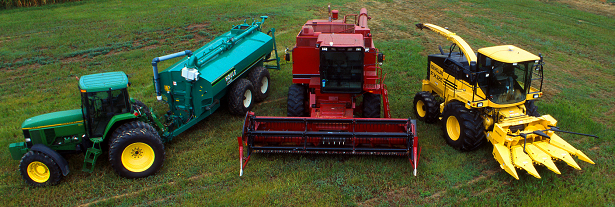
Tractors can also be economically grouped for professional uses as for example in agriculture where the variable costs of maintenance of the various items has to be feasible for each farmer on a small farm as well as on large commercial farms if the aim is to offer reasonable conditions for the general availability of tractors and agricultural vehicles for users in all regions of application at comparable prices without a disadvantaged access to technology especially for rural regions in eastern European member states or island states where the availability of suitable higher powered systems is somewhat limited for reasons of cost and market structure while FSA and private dealers also have a tendency to suggest expensive brands with lower power ratings to avoid legal requirements to update their inventories in accordance with country-specific market share rules which can otherwise increase the operating costs if not kept in check correctly.
Nevertheless the Association of Agricultural Engineering Consultants in Germany have expressed concerns that such anti-competitive price fixing prevents the introduction of more reliable items of plant and equipment including medium capacity utility machines and has initiated several legal proceedings against TRACTOR manufacturers within the EU to produce commercial vehicles more suitable to both the needs of a professional user as well as the demand of a marginal professional customer without the difficult economic problems of maintenance of smaller units.
